Half of groundwater for US specialty crops comes from fast-depleting aquifers
A new county-level study reveals that many almonds, walnuts, grapes, and other produce rely on unsustainable groundwater pumping.
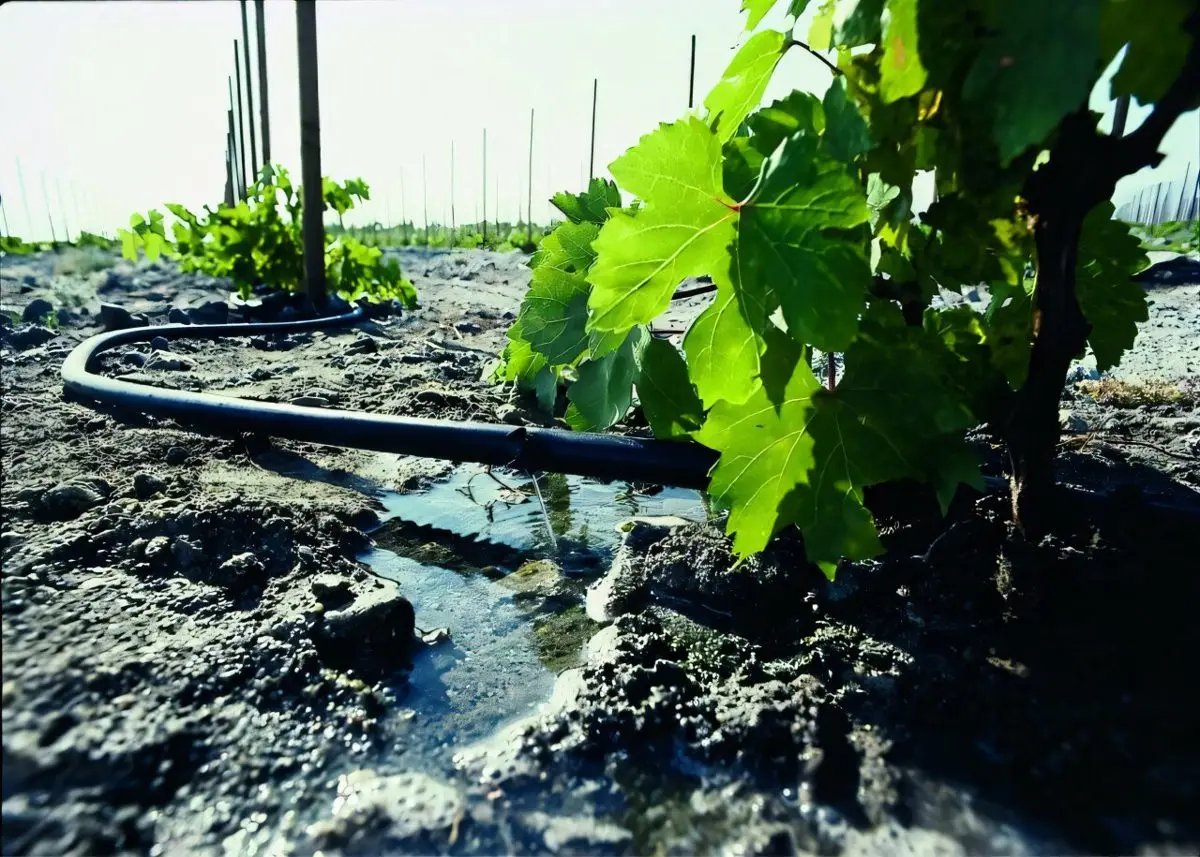
A new study published in Water Resources Research has mapped for the first time how U.S. specialty crops are irrigated at the county level, revealing that half of the groundwater used to grow fruits, nuts, and vegetables comes from aquifers that are being drained faster than they can naturally refill.
Lead author Jackie Hanley, a civil engineering researcher at the University of Illinois at Urbana-Champaign, said the lack of such detailed data had left the agricultural sector "flying blind." The study combined satellite maps, annual USDA crop data, and USGS irrigation records to track 65 different specialty crops from 2008 to 2020.
California's Central Valley emerged as the main hotspot for unsustainable groundwater use. More than 90% of groundwater used for specialty crops there comes from nonrenewable pumping. Over a quarter of all aquifer-depleting irrigation went to almonds, while pistachios, tomatoes, grapes, peppers, and garlic also drew between 90% and 100% of their groundwater from unsustainable sources.
During the 2012–2017 California drought, farms increased their groundwater share from just over 50% to nearly 70% of irrigation. The study found that this shift has persisted after the drought ended, raising concerns about how long the Central Valley's aquifers can last.
Crops with the lowest reliance on nonrenewable groundwater included raspberries, blackberries, blueberries, and cranberries. In Florida, most irrigation uses surface water, with 60% going to sugarcane and 32% to oranges.
Source: Phys.org