Hubble Data Points to Possible Second-Generation Planet Around White Dwarf
NASA astronomers used Hubble observations to explain unusual chemical signatures in the HS 0209+0832 system.
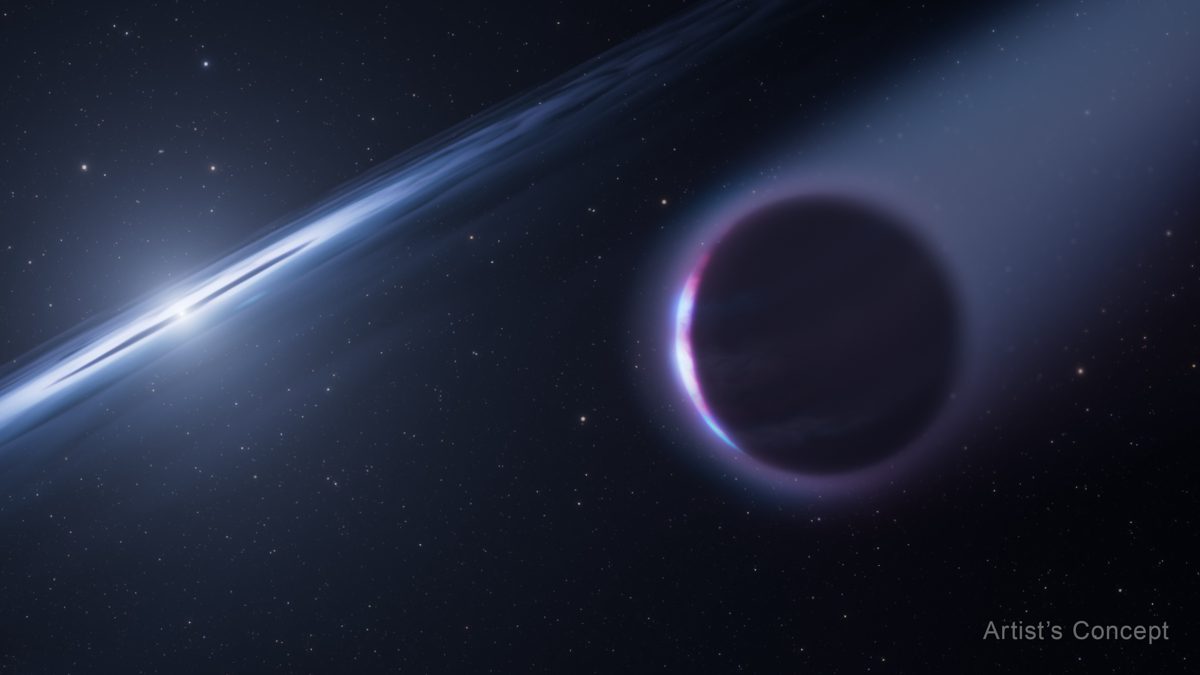
Astronomers analyzing data from NASA's Hubble Space Telescope have identified a possible explanation for unusual chemical abundances detected in the stellar system known as HS 0209+0832. The findings suggest the presence of a second-generation planet orbiting the system's white dwarf star.
The chemical anomalies had puzzled researchers, but the new analysis points to a planet that formed from material left over after the star's earlier planetary system was destroyed. This would make it a second-generation world, born from the debris of its predecessors.
The study relied on Hubble's spectroscopic observations, which revealed the distinctive chemical makeup of the white dwarf's atmosphere. The team concluded that the most likely source of these elements is a planet that has been pulled into a close orbit, gradually feeding material onto the star.
This scenario offers a coherent explanation for the observed data without requiring exotic or unlikely conditions. The work highlights how Hubble continues to provide critical insights into the evolution of planetary systems long after their host stars have died.
Source: NASA