Japanese forests show shift toward warm-adapted tree species
A study of 191 forest plots from the 1950s to 2020 finds that warming temperatures and changing precipitation are altering forest structure and composition.
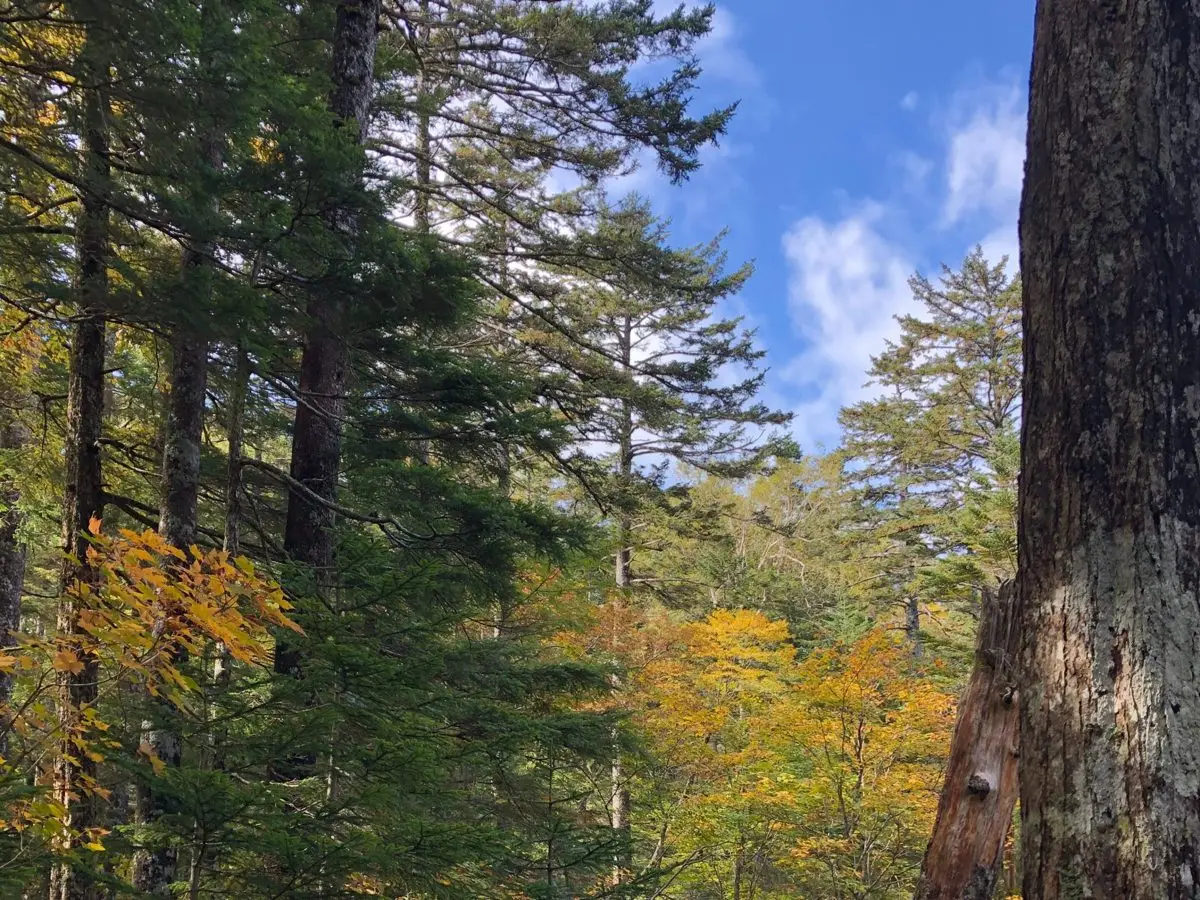
A new study from Osaka Metropolitan University shows that climate change is driving measurable shifts in Japan's forests. Researchers analyzed long-term monitoring data from 191 forest plots across the country, covering the period from the 1950s to 2020.
The study, led by associate professor Tetsuro Yoshikawa and professor Yayoi Takeuchi, looked at changes in total basal area (TBA), which combines tree size and density to reflect forest structure. They found that increases in mean annual temperature were associated with higher TBA, while faster increases in annual precipitation were linked to lower TBA. The researchers suggest that more precipitation may be tied to severe typhoon disturbances, which could explain the decline.
The team also tracked the relative dominance of four major tree groups: boreal conifers, deciduous broadleaved trees, temperate conifers, and evergreen broadleaved trees. They observed that cold-adapted boreal conifers declined in dominance, while warm-adapted deciduous broadleaved trees increased in some regions. This pattern, known as thermophilization, indicates a shift toward species suited to warmer climates.
Yoshikawa noted that the changes go beyond individual tree growth and affect overall forest composition. The findings highlight the complex ways climate factors interact with forest ecosystems. The researchers stress the need for continued long-term monitoring to better predict future ecological changes and their impact on both forests and people.
Source: Phys.org