Low winter sea ice in Arctic seas linked to summer droughts across Eurasia
A new study finds that reduced sea ice in the Barents and Kara seas might offer an early clue to summer drought risk from Romania to Kazakhstan.
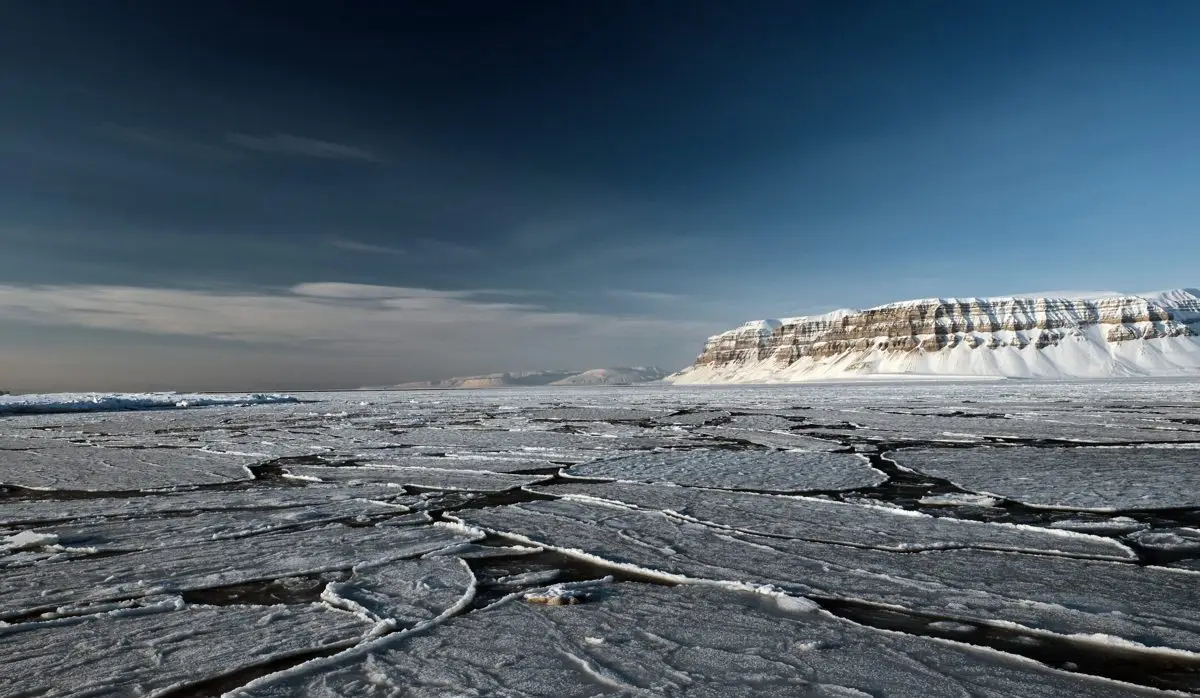
A study in Frontiers in Water explores whether winter sea ice loss in the Barents and Kara seas could help anticipate summer droughts across a large swath of Eurasia. Researchers found that when winter ice cover in these Arctic waters is significantly below average, the following summer tends to bring drier conditions from eastern Romania, Moldova, and Ukraine through the northern Black Sea and Caspian regions into western Kazakhstan.
The scientists analyzed historical sea ice records from October through March, using the ERA5 database from the European Centre for Medium-Range Weather Forecasts, combined with precipitation and evapotranspiration data to calculate drought conditions from May to September. They adjusted for long-term rises in atmospheric CO₂ to avoid false correlations. Statistical techniques borrowed from physics and economics indicated that reduced winter sea ice likely drives summer drought, not just correlates with it.
The proposed mechanism involves Rossby waves, large north-south bends in high-altitude winds. Winters with less sea ice were followed by a more wavy atmospheric pattern over the North Atlantic and Eurasia, which can bring warm, dry air and stagnant weather to the drought corridor. Fewer clouds also allow more sunlight to heat the land, potentially worsening dry conditions.
The Barents and Kara seas have experienced some of the Arctic's steepest declines in winter sea ice since the 1980s. IPCC projections suggest that without CO₂ emission reductions, sea surface temperatures there could rise by 4°C to 5°C by the end of the century.
Source: Phys.org