Fructose released by surviving cancer cells may help ovarian tumors spread
Researchers find that ovarian cancer cells surviving chemotherapy release fructose, which weakens cell bonds and may promote metastasis.
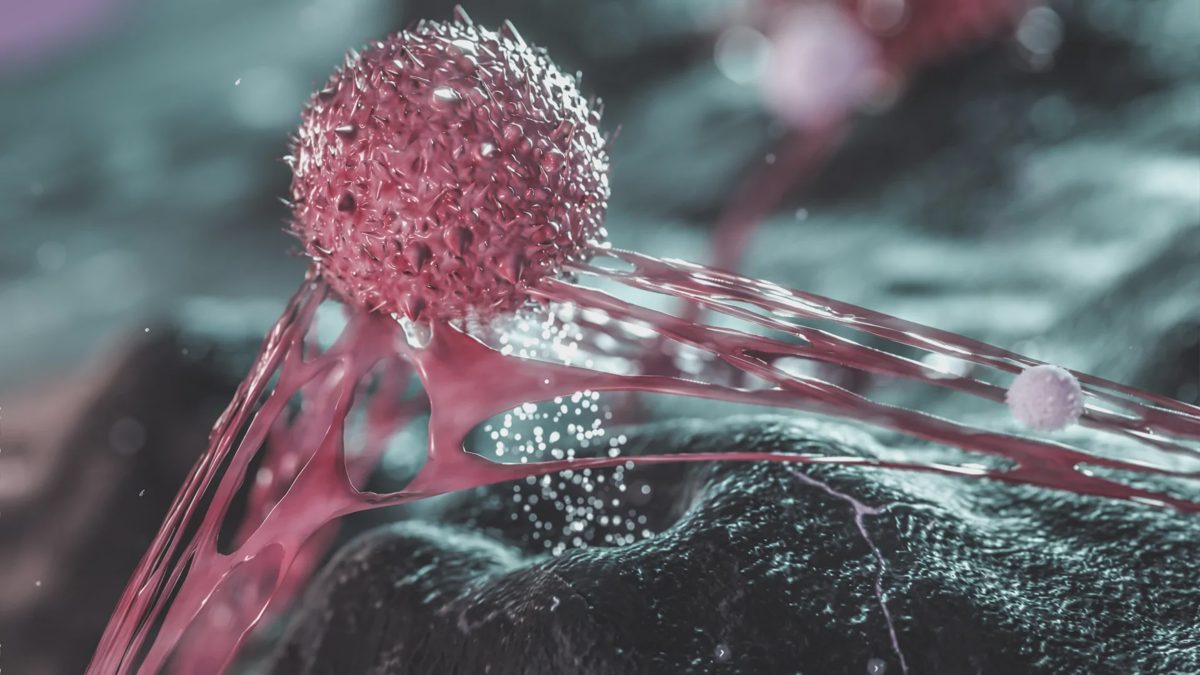
Researchers at The Wistar Institute have identified a mechanism by which ovarian cancer cells that survive chemotherapy can promote the spread of the disease. The study, published in Nature Aging, shows that these surviving cells release fructose, which acts as a signal to nearby tumor cells, making them more likely to detach and metastasize.
The experiments revealed that fructose suppresses cholesterol production in neighboring cancer cells. Cholesterol helps maintain the connections that hold cells together, and when its production drops, those connections weaken. This allows cancer cells to separate more easily, potentially enabling them to escape and establish new tumors elsewhere in the abdominal cavity.
The research also examined the effect of statins, cholesterol-lowering medications taken by about 39 million people in the United States. The team found that statins alone could also weaken the connections between cancer cells in preclinical models, raising questions about how these drugs might interact with chemotherapy. The authors stressed that this effect has not been tested in patients and that no one should stop taking prescribed statins based on these findings.
In addition, the study observed that consuming high levels of fructose comparable to those in sugary drinks could promote signals associated with cancer spread even without chemotherapy treatment. However, the researchers cautioned that they have not yet tested whether reducing fructose intake improves outcomes in ovarian cancer patients, and specific dietary recommendations cannot be made at this stage.
The scientists suspect the same biological process may occur in other cancers that spread within the torso, such as pancreatic, colon, and liver cancers, and they have begun designing experiments to test that possibility.
Source: ScienceDaily