Two forever chemicals linked to aggressive breast cancer in NIH study
Higher blood levels of PFOA and PFOS were associated with a higher rate of ER-negative breast cancer in a new analysis.
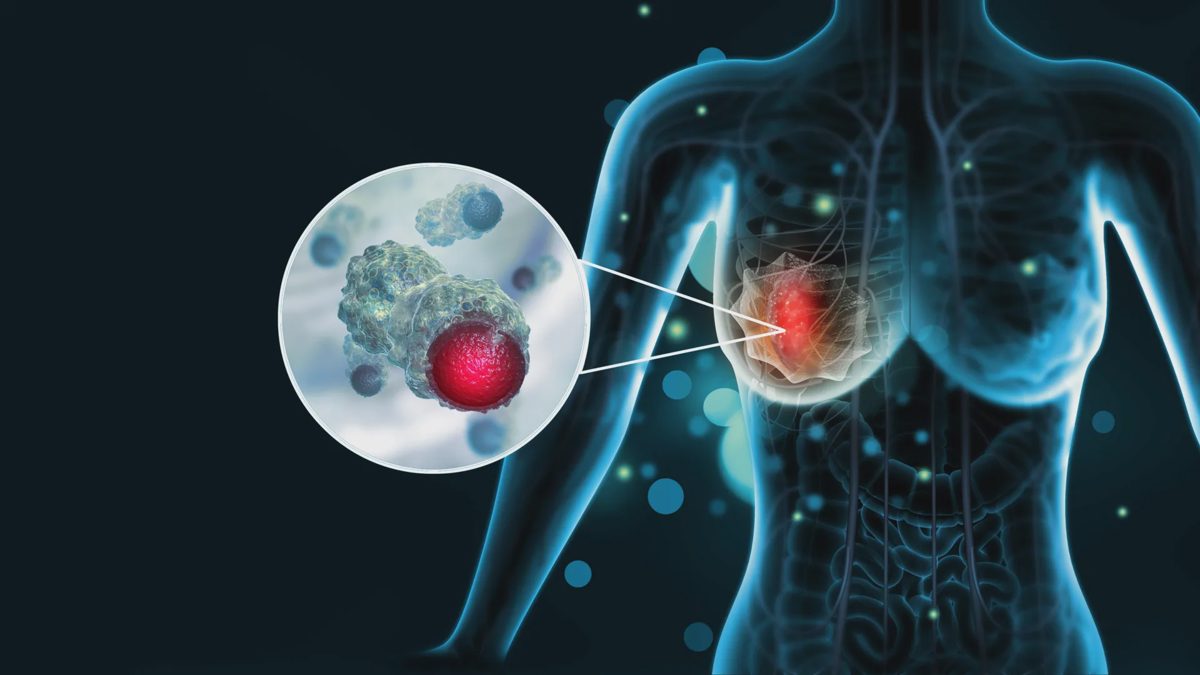
A new study from the National Institutes of Health has found a connection between two common PFAS chemicals and a particularly aggressive form of breast cancer. Researchers analyzed blood samples from thousands of women and discovered that those with higher concentrations of perfluorooctanoic acid (PFOA) and perfluorooctanesulfonic acid (PFOS) were more likely to develop estrogen receptor-negative, or ER-negative, breast cancer.
The study, published in the Journal of Clinical Oncology, used data from the Sister Study, which enrolled over 50,000 women between 2003 and 2009. All participants were free of breast cancer at enrollment but had a sister who had been diagnosed with the disease. The researchers examined blood samples collected years before any cancer diagnosis, measuring 17 different PFAS chemicals in 1,609 women who later developed breast cancer and a comparison group of 2,269 women.
The results showed that women in the highest PFOA exposure group had a 67% higher rate of ER-negative breast cancer compared to the lowest group. For PFOS, the difference was even more pronounced, with the highest exposure group showing a 93% higher rate. These are relative differences between groups, not absolute probabilities for individual women. The study establishes an association but does not prove that the chemicals directly cause the disease.
ER-negative breast cancer differs from more common forms because its tumor cells lack receptors that allow estrogen to stimulate growth. These cancers tend to be more aggressive and have poorer outcomes, yet researchers have relatively little information about what increases the risk of developing them. The NIH findings suggest that exposure to persistent environmental chemicals could be one contributing factor.
Although PFOA and PFOS have been largely phased out in favor of newer PFAS compounds, measurable amounts of both substances remain in most people's bodies. The study's first author noted that exposure to these chemicals is potentially modifiable, meaning people can take steps to reduce their contact with them. The findings open new avenues for prevention but also raise questions about whether the replacement chemicals carry similar health risks.
Source: ScienceDaily