Google's Android XR glasses take on Meta with privacy-first AI features
Hands-on with Samsung-made frames from Warby Parker and Gentle Monster shows real-time translation and automatic face redaction.
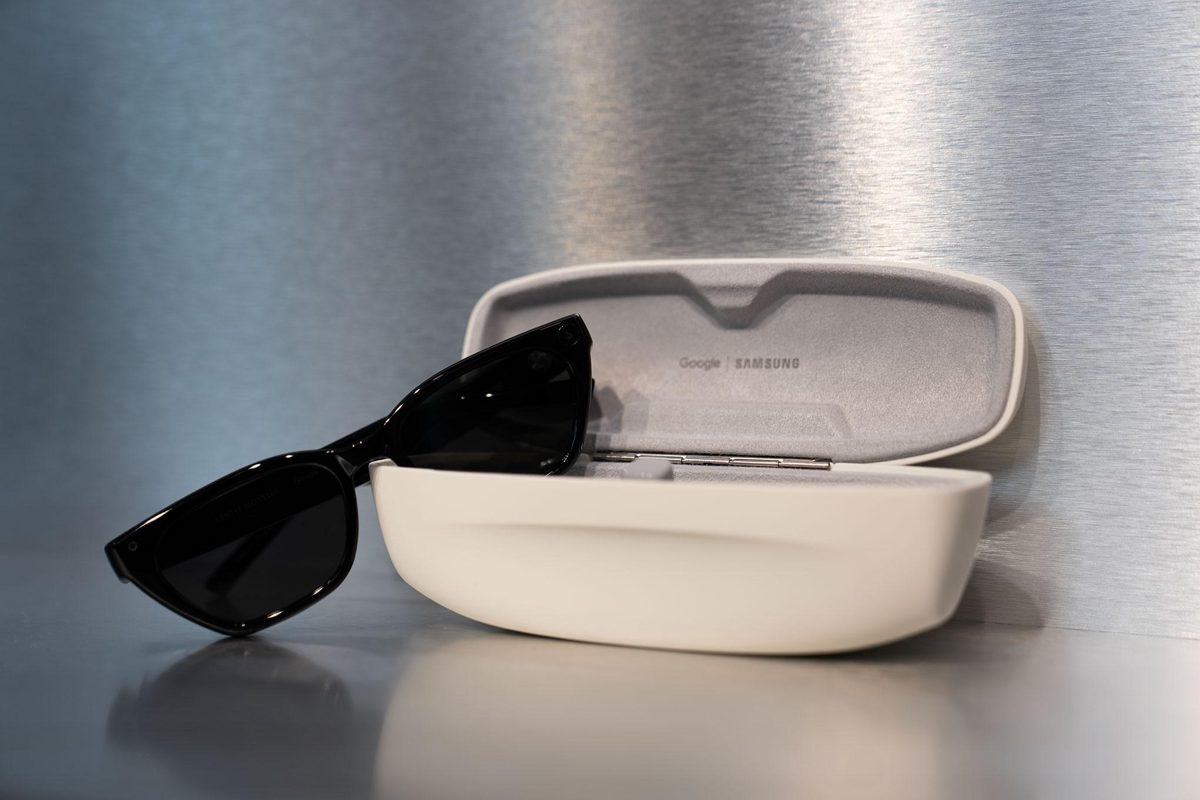
Google is entering the smart glasses market with Android XR, a platform built for mixed-reality headsets and glasses, and early demos suggest the company is taking a different approach from Meta. The glasses are manufactured by Samsung and come in frames designed by Warby Parker and Gentle Monster. Warby Parker offers three designs starting at $395, while Gentle Monster has six frames starting at $449. The glasses weigh 41 grams, have a 12MP ultrawide camera with image stabilization, and a battery life estimated at around nine hours with a case that supports up to seven extra charges.
During a hands-on demo, the glasses showed strong AI capabilities. In one scenario, Gemini translated multiple languages in real time without the user needing to specify the languages or download language packs, a scenario that tripped up Meta's Ray-Ban glasses in a previous test. In another, the glasses translated a conversation between an English speaker and a Thai speaker into Japanese. Gemini also occasionally corrected itself when it made a mistake and asked for a different view of an object to improve its answer.
Google is making deliberate privacy choices that go beyond what Meta offers. The glasses automatically redact faces from photos and videos before they reach the server, and Gemini cannot identify people in images. Ambient noise from bystanders is also scrubbed, with the glasses only processing audio from the wearer using beam-forming microphones. Google's senior director of product management for XR, Juston Payne, said the company will not target ads on the platform, will not train Gemini on user data, and will not allow humans to use the data to improve models.
Google also plans to enforce privacy across its broader ecosystem. YouTube will crack down on videos involving harassment or unwanted sexualization. Google Shopping and Google Ads will not allow sales of accessories like lens covers for privacy LEDs. Google Play will prohibit third-party apps from enabling social livestreaming, real-time facial identification, or altering the privacy LED function. Apps that require camera or mic API access will need additional review.
Low-vision and blind users are supported through Google's Guided Vision, which offers conversational audio descriptions of surroundings. Android XR also integrates with Aira, allowing users to stream their camera view to a real-time human interpreter, though that feature will be for Android users only at launch. Preorders for the Warby Parker and Gentle Monster glasses begin today, with shipping expected to start December 10th.
Source: The Verge