One-year study funded to track nurdle spill impact on wildlife
Researchers in northeast England will study how plastic pellets from a July ship collision affect birds, fish, and the food chain.
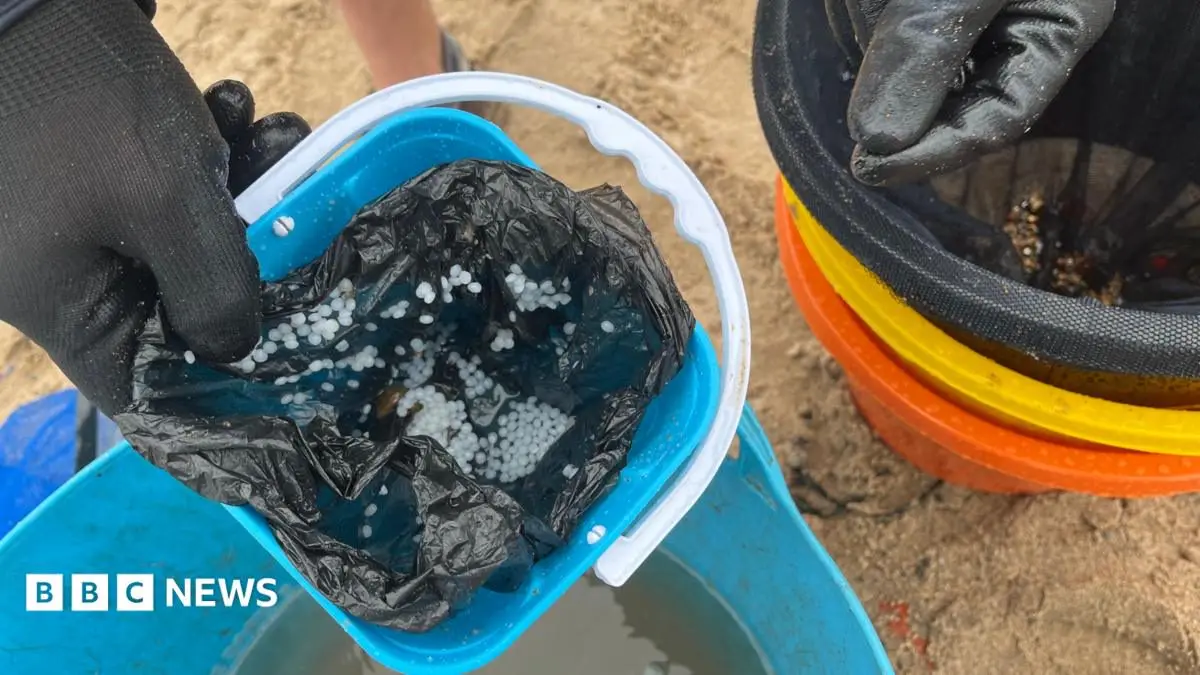
A year-long research project into the environmental effects of a microplastic spill in the River Tyne has been funded. The study, led by Newcastle University, will examine how plastic pellets known as nurdles affect sea-birds, fish, and marine life, and how they spread through the ecosystem.
The spill occurred on 19 July when a collision between ships at the Port of Tyne released tonnes of microplastics into the river. Researchers received £81,905 from the Natural Environment Research Council to investigate the impact on the River Tyne and the nearby coast.
Dan Turner, who coordinates the North East England Beached Bird Surveys and is leading the bird research, said the grant allows for broader study beyond the region. Necropsies on dead sea-birds have been conducted at the Dove Marine Laboratory in Cullercoats for six weeks. So far, no plastics have been found in bird stomachs, but nurdles have been discovered in regurgitated material, Turner reported.
Turner expressed concern that birds might mistake nurdles for food and starve, and noted that plastics breaking down over time could affect the wider food chain. The research team includes experts from Newcastle University and the University of Liverpool, with help from volunteers and organizations such as the Environment Agency and Tyne Rivers Trust.
Over the next year, the study will also map how the pellets travel. Nurdles have been found on beaches across Tyneside, Wearside, and Teesside, and may have reached Denmark. Dr. Geoffrey Abbott, a geochemistry reader at Newcastle University, said the team hopes to visit Denmark to confirm whether pellets found there came from the Tyne spill, noting that similar spills have traveled great distances, such as from South Africa to Australia.
Source: BBC Science