Researchers enlist white wine drinkers to improve no-alcohol wines
University of Queensland study uses regular drinkers to identify missing aroma compounds in low- and no-alcohol wines.
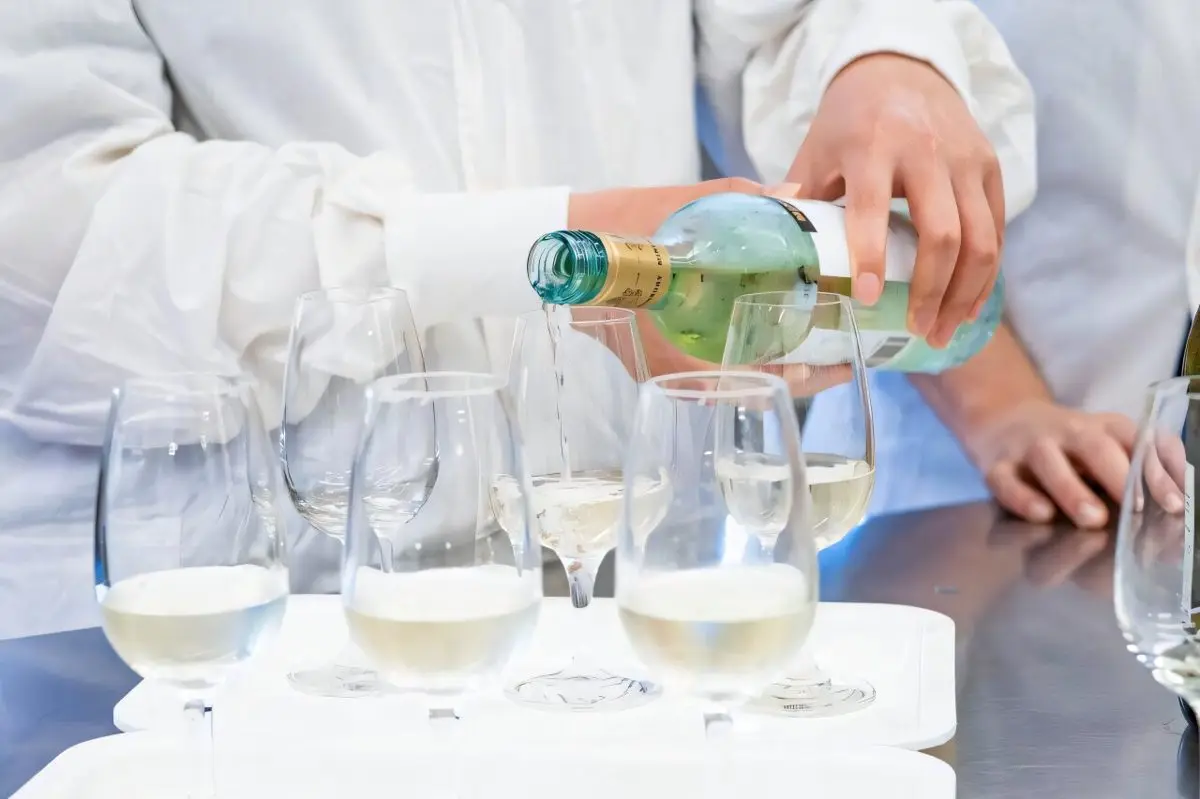
A research team at The University of Queensland is working to identify which aroma compounds are lost when wine is made alcohol-free, with the goal of making no- and low-alcohol (NOLO) wines more appealing to consumers.
Ph.D. candidate Huanhuan Li, from the Queensland Alliance for Agriculture and Food Innovation, explained that reducing alcohol changes a wine's sensory profile significantly, and that important volatile aroma compounds are often lost or altered during dealcoholization. To pinpoint what is missing, the team recruited regular white wine drinkers to evaluate NOLO wines that had been supplemented with compounds identified through chemical analysis.
The drinkers were asked to assess how closely the restored wines resembled conventional wine in aroma, a quality the researchers call vinosity, as well as fruitiness and overall acceptance. Li noted that people familiar with white wine were needed to judge what a typical white wine should smell like.
Beyond simply adding flavor compounds back, the team is exploring microbial and fermentation strategies to naturally boost the production of those aromas. Li is screening non-Saccharomyces yeast strains that produce less ethanol while generating desirable aroma compounds, aiming to create a natural flavor-restoration platform through controlled secondary fermentation.
Professor Heather Smyth, who leads the research, said consumer interest in NOLO wines has grown rapidly, driven by health and wellness trends and a desire to moderate alcohol consumption. The study bridges flavor chemistry and fermentation science, using consumer feedback to guide biological solutions.
Source: Phys.org