SS United States, fastest ocean liner, becomes largest artificial reef
The historic ship was scuttled off Florida to create a marine habitat and dive site.
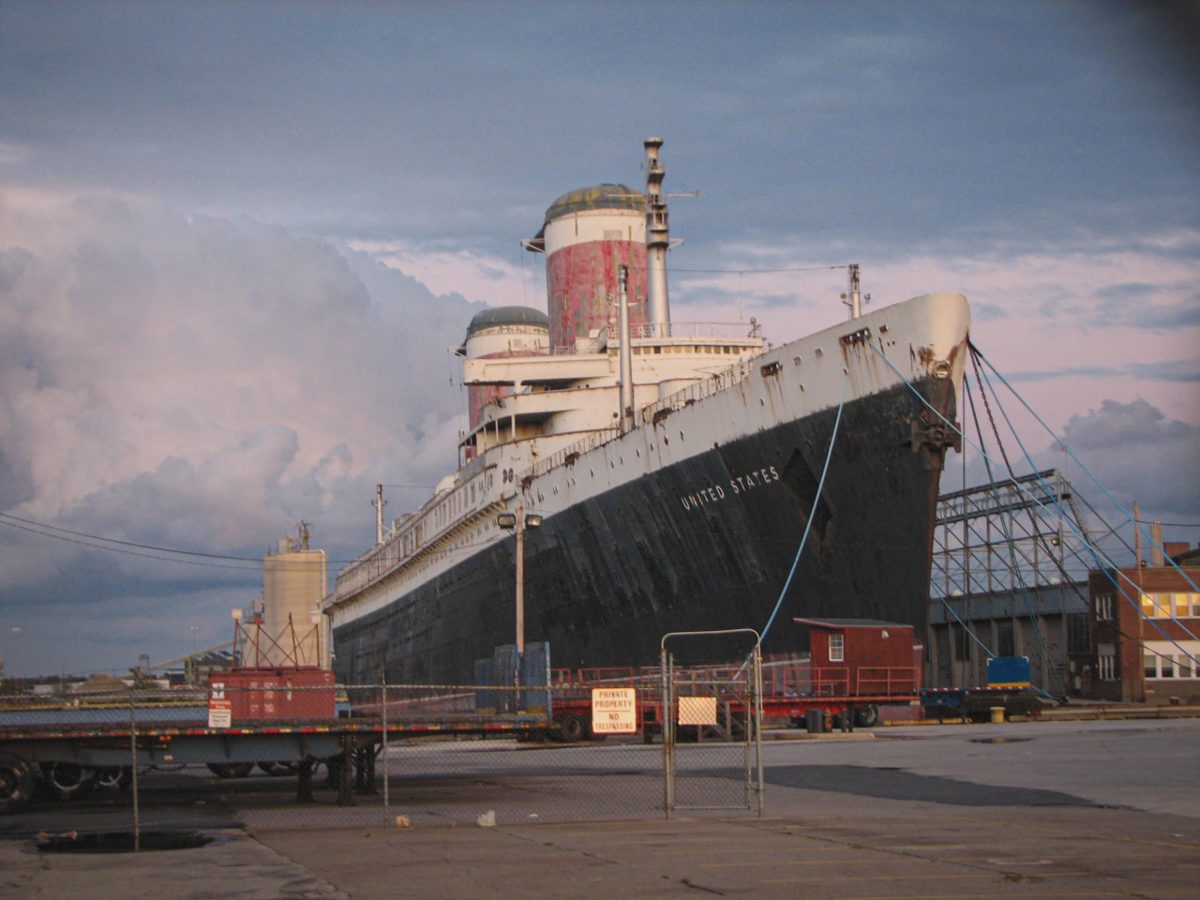
The SS United States, the fastest transatlantic passenger liner ever built, has ended its 74-year career at the bottom of the sea. On November 11, 2026, the vessel was deliberately sunk off the coast of the Florida Panhandle, becoming the world's largest artificial reef. Marine contractors opened the ship's former engine intakes to let seawater in slowly, ensuring the hulk settled upright without breaking apart. The scuttling was completed by 9:02 pm CST, a day earlier than planned, due to worsening weather.
Designed by American naval architect William Francis Gibbs, the SS United States was built with significant funding from the US government and United States Lines. The government saw the ship as both a prestige project and a potential troopship during the Cold War, so many of its performance specifications remained classified. When it entered service in 1952, it was the largest liner ever built in the US, measuring 900 feet (302 meters) with a maximum displacement of 48,022 tonnes. Its superstructure was made entirely of aluminum to save weight, and the design was nearly fireproof, with almost no wood onboard.
The liner's most famous achievement was capturing the Blue Riband for the fastest average crossing of the Atlantic. On its maiden voyage in 1952, it broke the record held by the RMS Queen Mary by 10 hours and 2 minutes, with an average speed of 35.59 knots (40.96 mph). That record remains unbroken. Over its years of service, the ship carried many notable passengers, including four US presidents, Eleanor Roosevelt, and celebrities such as Marlon Brando, Marilyn Monroe, and Elizabeth Taylor.
By the 1960s, jet airliners drew passengers away, and United States Lines faced union problems and declining government support. The SS United States was withdrawn from service in 1969. Decades of failed plans to convert it into a cruise ship, hotel, or museum followed, along with lawsuits and debts. Eventually, Okaloosa County, Florida, purchased the vessel to turn it into an artificial reef. Preparations included removing the funnels, radar mast, interior fittings, and hazardous materials, as well as cutting holes in the bulkheads.
The ship now rests 22 nautical miles southwest of Destin, Florida, at Large Area Artificial Reef Site C. Its rusting surfaces are expected to become covered with coral, barnacles, and anemones, while the spaces that once hosted presidents and royalty will become habitat for fish like triggerfish, groupers, and snapper.
Source: New Atlas